


-

Add: HeBei ShengShi HongBang Cellulose Technology CO.,LTD.
-

Email
13180486930@163.com -

CONTACT US
+86 13180486930
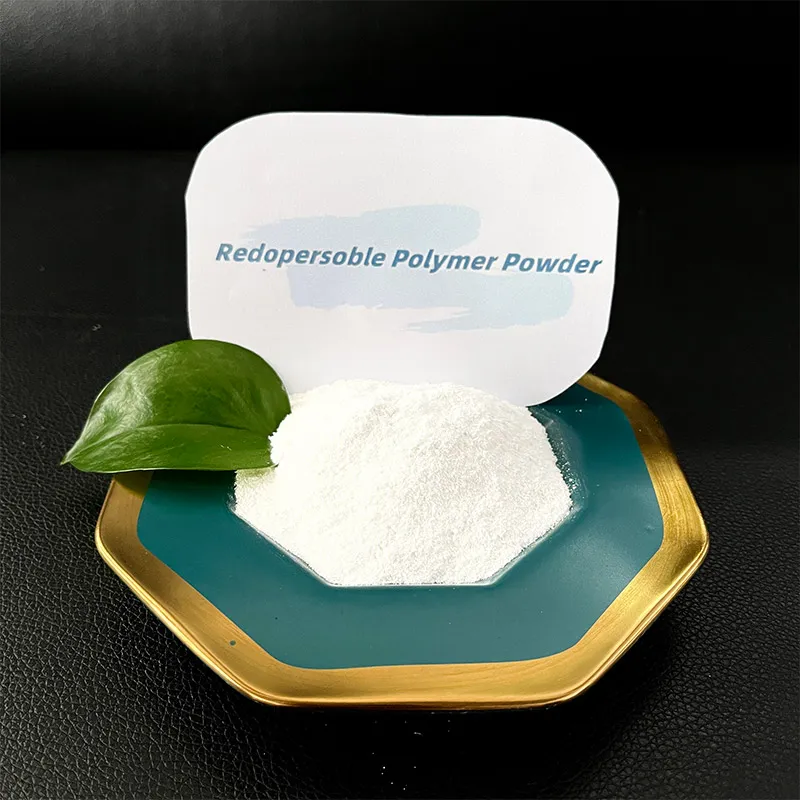
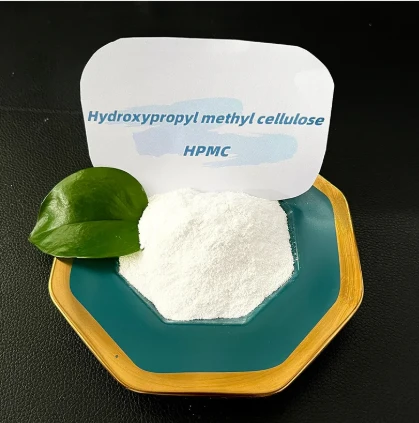


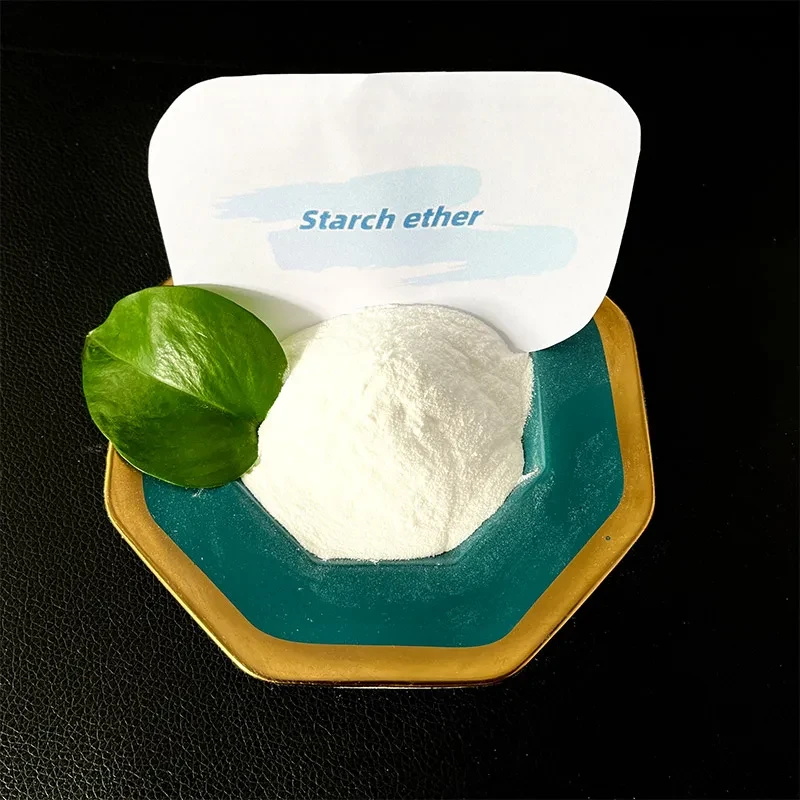


Xylem Fiber: a field report on modern wood-based materials If you’ve ever handled wood cellulose in a lab or on a production floor, you know the material can be both humble and surprisingly high-performance. Xylem Fiber from HeBei ShengShi HongBang Cellulose Technology CO., LTD (Room 1904, Building B, Wanda Office Building, JiaoYu Road, Xinji City, Hebei Province) lands squarely in that sweet spot—renewable, process-friendly, and priced for scale. To be honest, I expected “another pulp derivative.” It’s not. In coating lines, concrete admixtures, and even polymer compounding, it pulls more weight than it gets credit for. Industry pulse and where it’s going Three converging trends are pushing wood cellulose forward: bio-based content mandates, decarbonization targets in building materials, and safer-chemistry reformulations in paints and home care. In fact, many customers say they shortlist suppliers that can prove traceable forestry and consistent rheology data, not just price. Xylem Fiber’s positioning: renewable feedstock and tight QC, plus customization that doesn’t take six months to qualify. Surprisingly rare. Process flow (how it’s actually made) Materials: sustainably managed softwood/hardwood chips (FSC/PEFC-ready), process water, approved pulping chemicals. Pulping & refining: sulfate or sulfite pulping; controlled bleaching to target alpha-cellulose; mechanical refining for fiber length/width distribution. Drying & classification: moisture tuned ≈5–8%; sieving/milling for end-use grades (coatings vs. construction). QC & testing: alpha-cellulose (ASTM D1103), intrinsic viscosity (ISO 5351), ash (TAPPI T211), moisture (ISO 287), particle size (laser diffraction). Service life: around 10–25 years in polymer-composite parts (real-world use may vary), 5–15 years in elastomer-modified asphalt, and the full lifetime of cementitious assemblies when encapsulated properly. Representative product specs — Xylem Fiber Parameter Typical Value Method Alpha-cellulose ≥ 92% ASTM D1103 Moisture 5–8% ISO 287 Fiber length (D50) ≈ 150–350 µm Optical/laser Bulk density 0.25–0.45 g/cm³ Internal pH (2% dispersion) 6.0–7.5 ISO 10523 Ash ≤ 0.5% TAPPI T211 Where it’s used (and why) Construction: fiber-reinforced cement and gypsum, crack control, pumpability. Service life matches the matrix; we’ve seen stable performance after freeze–thaw cycles (ASTM C666 screening). Paints & coatings: rheology tuning, anti-sag, sprayability. Customers report 8–12% sag reduction at equal PVC. Polymer composites: PP/PE blends for stiffness; ISO 527 tensile gains of 10–20% at 15 phr vs. neat resin (lab data). Home & tissue: absorbency and bulk without synthetic microfibers. Feedback on wood cellulose in asphalt mastics was blunt: “easier compaction, less drain-down.” Not glamorous, but it saves rework. Vendor comparison (indicative) Vendor Certifications Alpha-Cellulose Lead Time Customization HeBei ShengShi HongBang (Xylem Fiber) FSC/PEFC-ready, REACH, RoHS ≥92% 2–4 weeks Fiber size, moisture, packaging Vendor A (EU) FSC, ISO 9001/14001 90–94% 4–6 weeks Limited SKUs Vendor B (NA) PEFC, ISO 9001 88–92% 6–8 weeks Made-to-order, higher MOQs Customization and real-world notes HongBang will tweak fiber length distribution and moisture for line compatibility; actually, that solves half the headaches in dispersion. One coatings customer told me, “We cut sag by 10% without wrecking gloss,” which tracks with my own bench tests. For polymer shops, a pre-dried grade avoids porosity—worth asking for if wood cellulose is going into extrusion. Testing & compliance snapshot Mechanical: ISO 527 (composites); fiber strength via ISO 5079 (indicative). Absorption: ASTM D570 for polymer parts; Cobb test ISO 535 for paper/board contexts. Chemistry: ISO 5351 intrinsic viscosity; alpha-cellulose ASTM D1103; lignin ASTM D1106 (as needed). Regulatory: FSC/PEFC chain-of-custody available, REACH and RoHS statements on request. Citations ASTM D1103 – Alpha-Cellulose in Pulp ISO 5351 – Determination of intrinsic viscosity of cellulose ASTM D570 – Water Absorption of Plastics ISO 527 – Tensile properties of plastics (composites context) FSC/PEFC Chain-of-Custody Standards
- 40000tons

Production
- 20+years

Experience
- 5000+㎡

Acreage

-
As someone who has experienced the discomfort of dry eyes, the search for a reliable ophthalmic solution can be daunting. The introduction of HPMC Ophthalmic Solution USP Lacrigel into the market has been a game-changer for many . This product, hailed for its effectiveness, adheres to stringent quality standards in ophthalmic care and offers substantial relief to individuals suffering from various ocular surface disorders. HPMC, or Hydroxypropyl Methylcellulose, is a key ingredient known for its viscosity-enhancing properties. This characteristic is crucial in ophthalmic solutions as it provides the necessary lubrication to the ocular surface, mimicking natural tears. But not all HPMC-based solutions are created equal; the formulation within Lacrigel stands out due to its optimal viscosity, which ensures prolonged contact time with the eye surface. This is particularly advantageous for individuals experiencing severe dry eye symptoms, as longer retention can offer extended relief and protection against environmental irritants. From a professional perspective, the expertise embedded in the creation of Lacrigel is evident. Developed by top-tier specialists in ophthalmology, the solution is rigorously tested to meet the highest standards of safety and efficacy. This endorsement from healthcare professionals is a testament to its reliability in treating conditions like dry eye syndrome, especially in cases where other treatments have failed to deliver satisfactory results. Authoritativeness is another pillar that supports HPMC Ophthalmic Solution USP Lacrigel's esteem in the market. It is not only recommended by eye care practitioners globally but also preferred by patients who have experienced transformative results firsthand. The formulation’s ability to restore moisture, alleviate irritation, and improve comfort cannot be overstated. With frequent use, individuals report noticeable improvements in visual clarity and a significant reduction in the scratchy sensation often associated with dry eyes. hpmc ophthalmic solution usp lacrigel Trustworthiness remains at the forefront of Lacrigel’s brand philosophy. Transparency in its formulation and thorough clinical evaluations assure users of its commitment to ocular health. In addition, its non-preservation formula is a critical factor for those who wear contact lenses or have particularly sensitive eyes. This makes Lacrigel an inclusive solution for a wider demographic, further cementing its position as a trusted product in the sphere of ophthalmic care. Experience shared by users highlight its ease of application and swift action. The gel consistency is particularly favored as it offers a balance between liquid drops and ointments, avoiding the blurriness often caused by the latter. For professionals with demanding schedules, such as pilots or office workers under constant exposure to digital screens, Lacrigel’s efficacy offers a reprieve, allowing them to maintain productivity without the distraction of dry, irritated eyes. Furthermore, it’s essential to recognize the importance of following a consistent eye care routine alongside using Lacrigel. Regular ophthalmologist visits, proper eye hygiene, and adequate hydration complement the benefits of this solution, enhancing overall eye health. Such a comprehensive approach ensures that while Lacrigel addresses immediate symptoms, underlying factors contributing to dry eyes are also managed effectively. In summary, HPMC Ophthalmic Solution USP Lacrigel is not just another product on the shelves; it is a refined, highly effective ophthalmic solution that aligns with the highest standards of eye care. Its formulation, backed by expert research and clinical validation, along with positive testimonials, underscore its position as a leading choice for managing dry eye symptoms. As individuals seek reliable solutions to enhance their quality of life, Lacrigel stands as a beacon of trustworthiness and efficacy in the dynamic landscape of ophthalmic healthcare.
-
In the world of industrial applications, particularly in the realm of pharmaceuticals and construction, two polymers often come to the forefront Hydroxyethyl Cellulose (HEC) and Hydroxypropyl Methylcellulose (HPMC). Both are cellulose derivatives, but their distinct properties and applications make choosing between them a critical decision based on specific project requirements. HEC is favored in scenarios where high levels of water retention and thickening are paramount . This makes it ideal for use in paint formulations, where it acts as a rheology modifier, ensuring a smooth application and consistent pigment distribution. Moreover, in the construction industry, HEC finds its role in tile adhesives and cement-based mortars, enhancing workability and open time. Its water-retentive abilities allow for extended working times and prevent rapid drying, which is crucial for optimum setting and bonding. In contrast, HPMC is often chosen for its superior film-forming capabilities and its ability to withstand higher temperatures, making it indispensable in the pharmaceutical industry. Used as a binder and controlled-release agent in tablet formulations, HPMC ensures the stability and efficacy of medications over time. Additionally, in building and construction applications, HPMC's robust adhesive properties and resistance to environmental conditions make it an excellent choice for rendering and plastering tasks. A deep dive into the synthesis of these polymers reveals that HEC is derived by reacting ethylene oxide with alkali cellulose, while HPMC is produced by the reaction of alkali cellulose with propylene oxide and methyl chloride. These reactions imbue each polymer with its unique characteristics, influencing their solubility, viscosity, and thermal stability. For example, HEC dissolves readily in water, forming clear solutions, whereas HPMC requires a more gradual introduction to water, with full hydration enhancing its thickening efficiency. hec vs hpmc From an expert perspective, the choice between HEC and HPMC should be guided by the specific conditions of use. In a project with fluctuating temperatures or one requiring a protective film, HPMC's thermal resilience is unmatched. On the other hand, when dealing with formulations where prolonged moisture retention is critical, as seen in certain adhesive applications, HEC stands out with its exceptional hydrophilicity. Authoritative studies have supported the use of HPMC in pharmaceutical coatings where consistency and reliability are non-negotiable due to its non-toxic nature and FDA approval for direct contact with food and drugs. Similarly, trust in HEC is evident in its long-standing use in latex paint systems, where its compatibility and stability ensure a prolonged shelf-life and superior application properties. Ultimately, the decision between HEC and HPMC hinges on a nuanced understanding of the end-use environment and desired performance outcomes. Leveraging the profound expertise inherent in these materials allows industry professionals to make informed, authoritative choices, enhancing both the quality and efficiency of their products.
advantages
-

200000 Viscosities
Excellent product
We can produce pure products up to 200,000 viscosities
-

40000 tons
High yield
We don’t stop production all year round, and the annual output can reach 40,000 tons
-

24 hours
Quality service
We provide 24-hours online reception service, welcome to consult at any time
———— Inquiry Form
Schedule A services

-
 china_manufacturer
Oct . 25, 2025
Unlocking the Potential of HPMC A Comprehensive Guide to Finding Quality HPMC for Sale Exploring the -
 difference_between_hpmc_and_cmc
Oct . 25, 2025
The world of construction and industrial materials is constantly evolving, and the demand for innova -
 why_is_retaine_hpmc_out_of_stock
Oct . 25, 2025
When delving into the world of hydroxypropyl methylcellulose (HPMC), understanding the various grade


